
You’ve heard it a thousand times: self discipline is the key to success. Waking up at 5 a.m., grinding through work, saying no to every temptation. It sounds heroic. But there’s a dangerous side nobody talks about.
When you push self discipline too far, it can backfire. You might achieve your goals, but at what cost? Burnout, broken relationships, joyless days, and a rigid mind that can’t adapt. Welcome to the real truth about self discipline disadvantages.
The good news? You don’t have to abandon discipline. You just need to balance it. In this article, we’ll uncover the hidden costs of overdoing self–control and show you how to build a smarter, kinder kind of discipline that actually lasts.
Table of Contents
What is Self Discipline? (And Why We Worship It)
Self discipline is the ability to control your impulses, emotions, and actions to achieve a long‑term goal. It’s the force behind finishing that project, skipping the donut, and hitting the gym when you’d rather sleep.
We worship it because it works. Books like No Excuses!: The Power of Self-Discipline and Atomic Habits have sold millions. They promise that with enough willpower, you can transform your life. And they’re right – up to a point.
But like any powerful tool, when you use it without wisdom, you can hurt yourself. Let’s look at the specific self discipline disadvantages that come from taking it too far.
The Hidden Costs of Overdoing Self Discipline
1. Emotional Burnout and Willpower Depletion
Self discipline is not an infinite resource. Psychologist Roy Baumeister’s research on ego depletion shows that every act of self‑control drains your mental batteries. If you’re constantly saying no, resisting cravings, and forcing yourself, you eventually crash.
Symptoms include irritability, brain fog, and a deep sense of exhaustion. You start snapping at loved ones. You feel like a robot running on fumes. That’s a major self discipline disadvantage that many high‑achievers ignore.
“I was so disciplined that I lost the ability to enjoy anything. I had to relearn how to relax.” – Anonymous corporate executive.
2. Rigidity and Inflexibility
Overdisciplined people often become rigid. They create strict rules: “I must work out at 6 a.m., eat only salad, and never procrastinate.” But life is messy.
When something unexpected happens – a sick child, a flat tire, a surprise work deadline – the rigid system breaks. Instead of adapting, you feel like a failure. That rigid mindset is a classic sign of self discipline disadvantages.
3. Loss of Joy and Spontaneity
Remember the last time you did something just for fun, without calculating its “productivity” value? Overdisciplined people often lose that ability.
Every moment becomes a task. Hobbies feel like obligations. You skip parties because they “waste time.” The result? A hollow life that looks successful on paper but feels empty inside. That’s a painful hidden cost.
4. Strained Relationships
Self discipline often demands sacrifices in social life. You might cancel plans to work, ignore your partner’s needs, or become judgmental of others who aren’t as “focused.”
Your relationships suffer. People feel you’re distant or obsessed. Ironically, the discipline meant to build a better life can destroy the very connections that make life worth living.
5. Physical Health Risks
Constant self‑control increases cortisol levels. Chronic stress from never relaxing leads to high blood pressure, weakened immunity, and sleep problems.
Moreover, extreme discipline around food or exercise can tip into orthorexia or overtraining syndrome. You think you’re being “healthy,” but your body is screaming for a break.
6. Identity Shrinkage
When you define yourself solely by your discipline (“I am a disciplined person”), any slip feels like a threat to your identity. This leads to all‑or‑nothing thinking: either you’re perfectly on track or you’ve “failed.”
That narrow identity leaves no room for being a friend, a dreamer, or someone who can just be. It’s a heavy self discipline disadvantage that can cause anxiety and depression.
Signs You’ve Overdone Self Discipline
How do you know if you’ve crossed the line? Look for these red flags:
- You feel guilty when you rest.
- You say “no” more often than “yes,” even to things you enjoy.
- People close to you complain that you’re always busy.
- Your mood depends entirely on whether you stuck to your schedule.
- You can’t remember the last time you laughed uncontrollably.
- You have trouble sleeping or feel chronic tension.
- You resist changing plans even when it makes sense.
If three or more ring true, it’s time to reassess your relationship with self discipline.
How to Balance Self Discipline Without Losing Your Edge
The goal is not to become undisciplined. It’s to build balanced self discipline – the kind that helps you succeed while keeping you human. Here’s how.
1. Practice Flexible Self Control
Instead of rigid rules, use guidelines. For example, “I’ll work out most mornings, but if I’m too tired or sick, I’ll rest without guilt.” Flexibility protects you from burnout.
Action step: Pick one area of your life where you’ve been too strict. Write a more forgiving version of your rule.
2. Schedule Unstructured Time
Block out time each week with zero agenda. No goals, no tasks. Let yourself wander, play, or do nothing. This restores your willpower reserves and sparks creativity.
3. Embrace the “Good Enough” Approach
Not everything needs 100% discipline. Sometimes 80% is enough. If you ate a healthy dinner but had a late‑night snack, that’s still a win. Perfect discipline is a myth. Good‑enough consistency beats perfect adherence.
4. Make Joy a Non‑Negotiable
Intentionally schedule fun. Put it in your calendar. Treat joy as seriously as you treat work. This recharges you and makes your discipline sustainable.
5. Use Self Compassion When You Slip
Research by Kristin Neff shows that self‑compassion leads to greater resilience and long‑term success. Instead of beating yourself up for a mistake, say, “It’s okay, I’m human. I’ll get back on track.”
Self‑compassion is not weakness. It’s the oil that keeps your discipline engine running without overheating.
6. Reconnect With Your “Why” – But Keep It Light
Your goals should matter, but they shouldn’t consume you. Ask: “Why am I doing this?” If the answer is “to prove I’m good enough” or “to avoid shame,” that’s a red flag. Shift to a healthier motivation: “I want to feel strong” or “I care about my health.”
The Best Books to Help You Master Balanced Self Discipline
To go deeper, these books offer practical strategies for building self control without the downsides. Each one has helped thousands find the sweet spot.

No Excuses!: The Power of Self-Discipline – Brian Tracy’s classic teaches you how to discipline yourself in every area of life, but also warns about becoming a workaholic. Rating: 4.7 | Price: $8.66
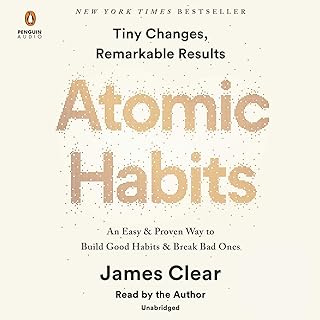
Atomic Habits – James Clear shows you how to build small habits that stick without relying on willpower. It’s about systems, not suffering. Rating: 4.8 | Price: $0.00 (Audible)

The Mountain Is You – Brianna Wiest explores how to stop self‑sabotage while maintaining self‑mastery. A perfect read for those who feel their discipline has become destructive. Rating: 4.7 | Price: $0.00 (Audible)

Discipline Equals Freedom – Jocko Willink’s raw, motivational manual pushes you to be tough but also reminds you to take care of yourself. Rating: 4.7 | Price: $12.93

Mindful Self-Discipline – This book combines mindfulness with discipline, helping you avoid the robotic trap. Rating: 4.7 | Price: $0.00 (Audible)
Comparison Table: Top Books on Self Discipline
| Product | Price | Rating | Picture | Buy at Amazon |
|---|---|---|---|---|
| No Excuses! | $8.66 | 4.7 | |
Buy Now |
| Atomic Habits | $0.00 | 4.8 | |
Buy Now |
| The Mountain Is You | $0.00 | 4.7 | |
Buy Now |
| Discipline Equals Freedom | $12.93 | 4.7 | |
Buy Now |
| Mindful Self-Discipline | $0.00 | 4.7 | |
Buy Now |
Real Stories: When Discipline Backfired (and How They Fixed It)
Maria, 34 – Corporate Lawyer
Maria used 5 a.m. workouts, meal prepping, and strict schedules. She was promoted twice. But she also lost touch with friends, developed insomnia, and felt numb. After reading The Mountain Is You, she started scheduling “play days” and allowed herself to skip workouts. Her productivity actually increased because she wasn’t burned out.
James, 28 – Entrepreneur
James forced himself to work 12‑hour days, seven days a week. He made money but destroyed his marriage. He discovered Atomic Habits and applied the principle of “habit stacking” instead of all‑out willpower. He now works 6 hours a day, takes weekends off, and his business is growing faster than before.
The Warmth of Self Discipline: Why Balance Is Your Real Superpower
Self discipline is a gift when used wisely. It helps you build skills, achieve goals, and create a life you’re proud of. But when you overdo it, the gift turns into a burden.
The real mastery lies in knowing when to push and when to pull back. It’s about having the discipline to do the work – and also the discipline to rest, play, and connect.
You don’t need to be a Spartan warrior. You need to be a sustainable human.
Now it’s your turn. Pick one area of your life where you can loosen the reins a little. Let go of the perfectionism. Forgive yourself for a slip. Schedule joy. You’ll find that balanced self discipline doesn’t make you weak – it makes you unbreakable.
Frequently Asked Questions About Self Discipline Disadvantages
Can too much self discipline be harmful?
Yes. Overdiscipline can lead to burnout, anxiety, strained relationships, loss of joy, and even physical health problems. The key is balance.
What are the signs of overdiscipline?
Constant guilt when resting, inability to relax, rigid rules, declining relationships, and feeling like a robot are common signs.
How can I maintain discipline without burning out?
Use flexible rules, schedule unstructured time, practice self‑compassion, and make joy a non‑negotiable part of your routine.
Is it possible to be disciplined and happy?
Absolutely. The happiest high‑achievers balance discipline with spontaneity, rest, and human connection. They use self‑control as a tool, not a cage.
Which books help with balanced self discipline?
Books like No Excuses!, Atomic Habits, The Mountain Is You, and Mindful Self-Discipline provide practical strategies.
How do I start balancing my self discipline today?
Choose one area of your life and relax one rule. For example, allow yourself a lazy Sunday or a cheat meal without guilt. Observe how it feels.